Western Sword Fern: The Evergreen That Rebuilds Itself
Western sword fern regrowth begins in spring, but its value to floral designers becomes most visible in September. Grown in the woodland at Woody Shoots near Arlington, Washington, Polystichum munitum brings arching fronds, finely toothed pinnae, and evergreen depth to autumn compositions.
It grounds a composition without weighing it down. It creates layered depth beneath branching materials and begins doing compositional work before a single bloom is placed.
If you are designing with Western sword fern this autumn, it is worth understanding where those fronds came from. The fern selected in October may be the direct result of what happened here in spring.
For a broader view of Western sword fern within the Woody Shoots palette, visit Seasonal Botanicals.
A Crown Reclaimed
In Spring
One April cleanup transformed a collapsing fern into a young architectural specimen—and revealed a second crown beside it.
We have all seen a tired fern: brown foliage, broken fronds, and a crown so obscured that the plant appears already finished. Most people walk past it.
During the first week of April, one such Polystichum munitum stood on the woodland floor at Woody Shoots. It had gone untended through winter, but beneath the damaged material, the crown remained intact.
Dead and broken fronds were removed down to the fibrous base. Accumulated material immediately over the crown was cleared away. Nothing was added, and nothing was forced.
Reclamation requires patience—the willingness to leave something looking considerably worse before it looks better. A newly cleaned sword fern crown in early April is not a promising sight.
What the New
Fronds Revealed
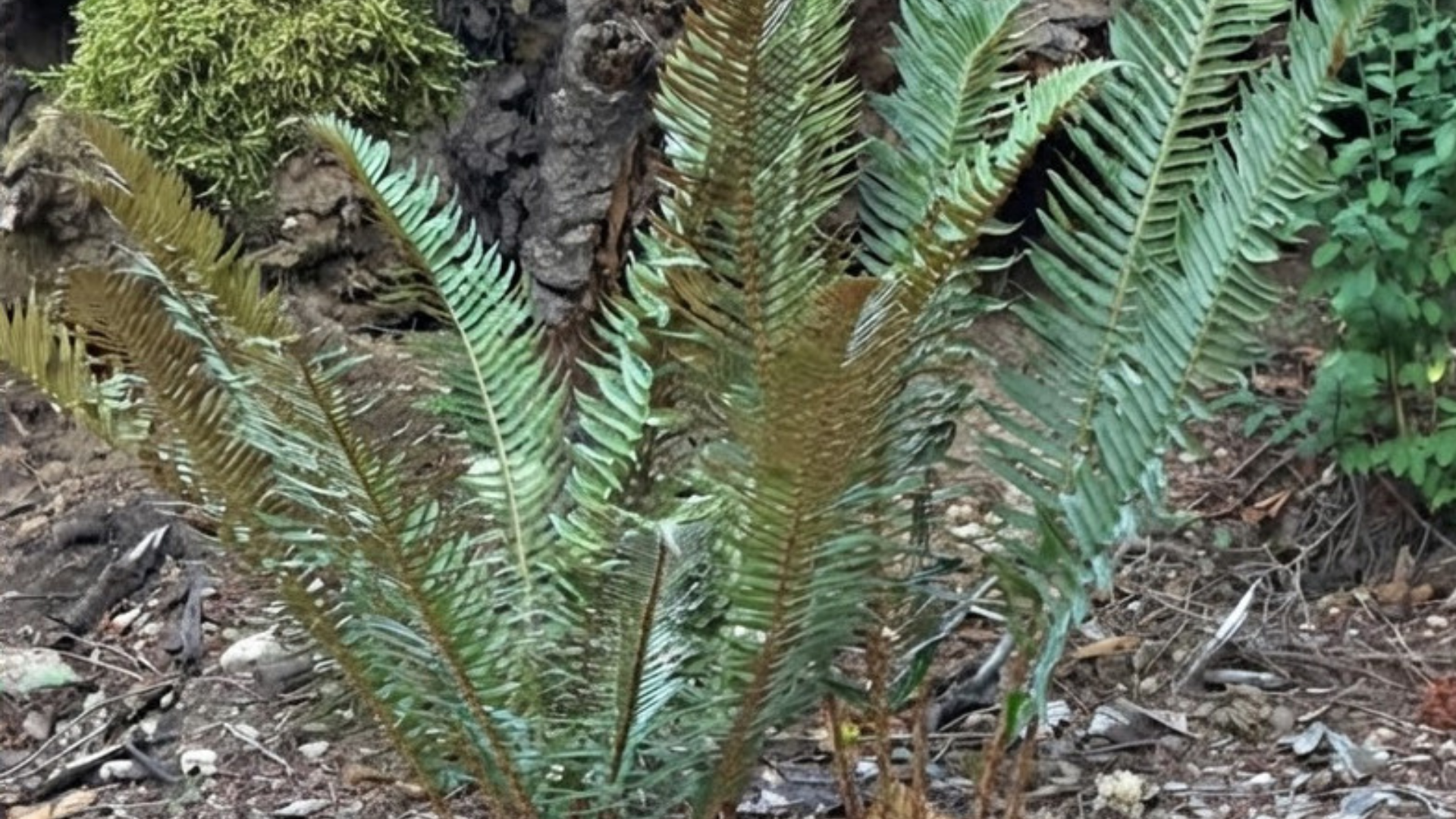
New fronds arrived with distinctly first-season character.
On this crown, they were lighter and more upright than the older fronds of established specimens nearby. Their posture was less settled and more open, but that quality gave them unusual clarity when viewed as potential cut material.
The difference matters. A mature crown can provide deep color and generous arching mass. Fresh growth from a reclaimed crown may offer lighter layering and a more vertical line.
At Woody Shoots, those distinctions are considered before material is selected. The question is not simply whether sword fern is available. It is which frond posture best serves the composition.
For more about reading evergreen form before sourcing, visit Evergreen Structure: A Designer’s Guide.
The Woodland Conditions Behind
the Material
The fronds matured through late spring and summer. By July, they had reached full length. By September, they carried the character shown in these photographs: structural, arching, and lush against the fallen log and dry leaves of the woodland floor.
That setting is not incidental.
The moss-covered log, decomposing bark, fallen leaves, shade, and seasonal moisture are part of the conditions that shape the material. They help give woodland-grown Western sword fern a posture and presence distinct from foliage produced in a controlled growing environment.
The material carries evidence of where it grew.
A Second Crown,
Newly Visible
Close beside the original crown—close enough to be easily missed—a second crown became visible.
It was developing its own fronds and its own posture. From the surface, it was not possible to determine whether it was a separate plant or a second growth point from an older branched rhizome.
What the cleanup created was visibility, not necessarily multiplication.
That distinction matters. Western sword fern can renew itself after old fronds are removed, but it does not generally spread aggressively through the woodland. Its short, stout rhizomes usually produce distinct individual clumps. Occasionally, an older rhizome may support more than one growing point. USDA Forest Service research documents both patterns.
The second crown was not proof that intervention had produced another plant. It was evidence of what careful observation can uncover.
What Woody Shoots tends in spring becomes part of what designers can reach for in autumn. That relationship is not incidental to the material—it is part of its value.
What Western Sword Fern Does in Autumn Compositions
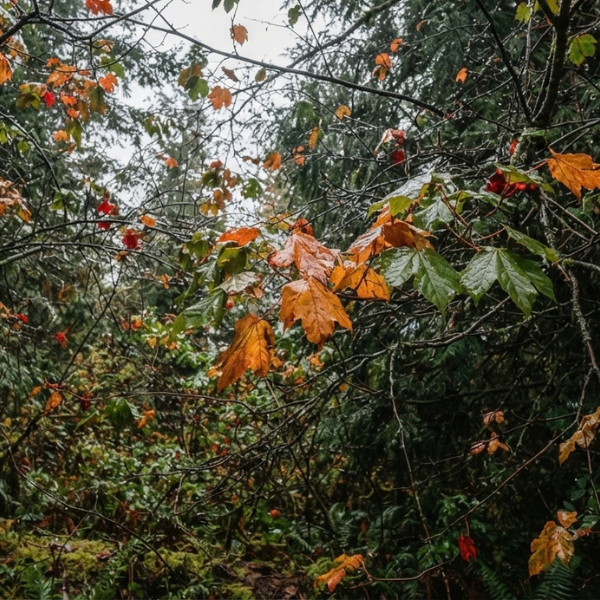
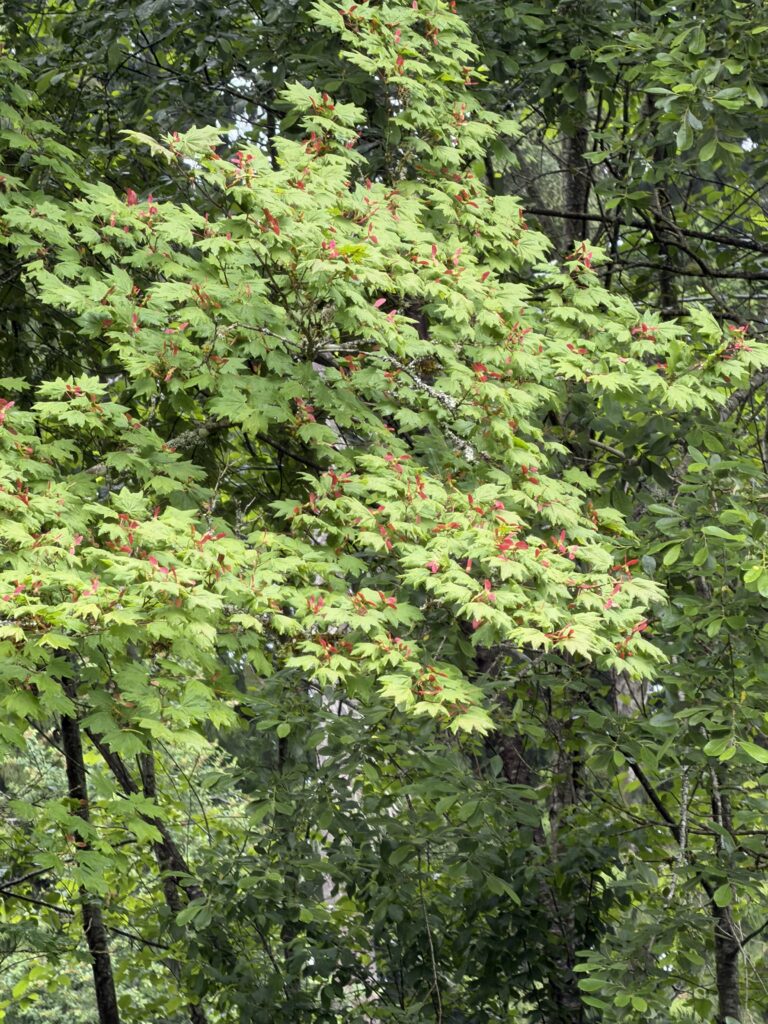
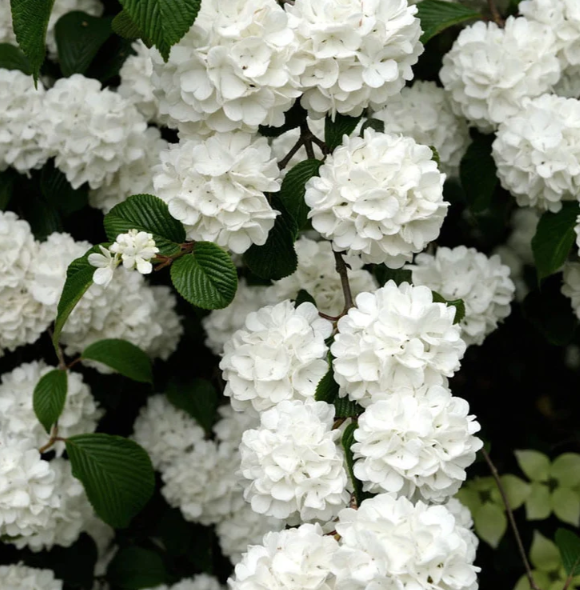
It sits beneath expressive branching—beneath snowberry, cascara, and vine maple—and provides the woodland grounding that makes those materials legible.
Without sufficient grounding, a composition can appear to float. With it, the arrangement has a floor.
The fresh fronds on this reclaimed crown are lighter and more upright than the settled fronds of nearby mature plants. For compositions that need evergreen layering without heavy density, that distinction may be useful.
For current seasonal use, pairing possibilities, and sourcing information, visit Western Sword Fern for Floral Designers.
Availability follows the woodland. When your autumn project dates and palette begin taking shape, start a seasonal conversation with Woody Shoots.



One Comment
Comments are closed.