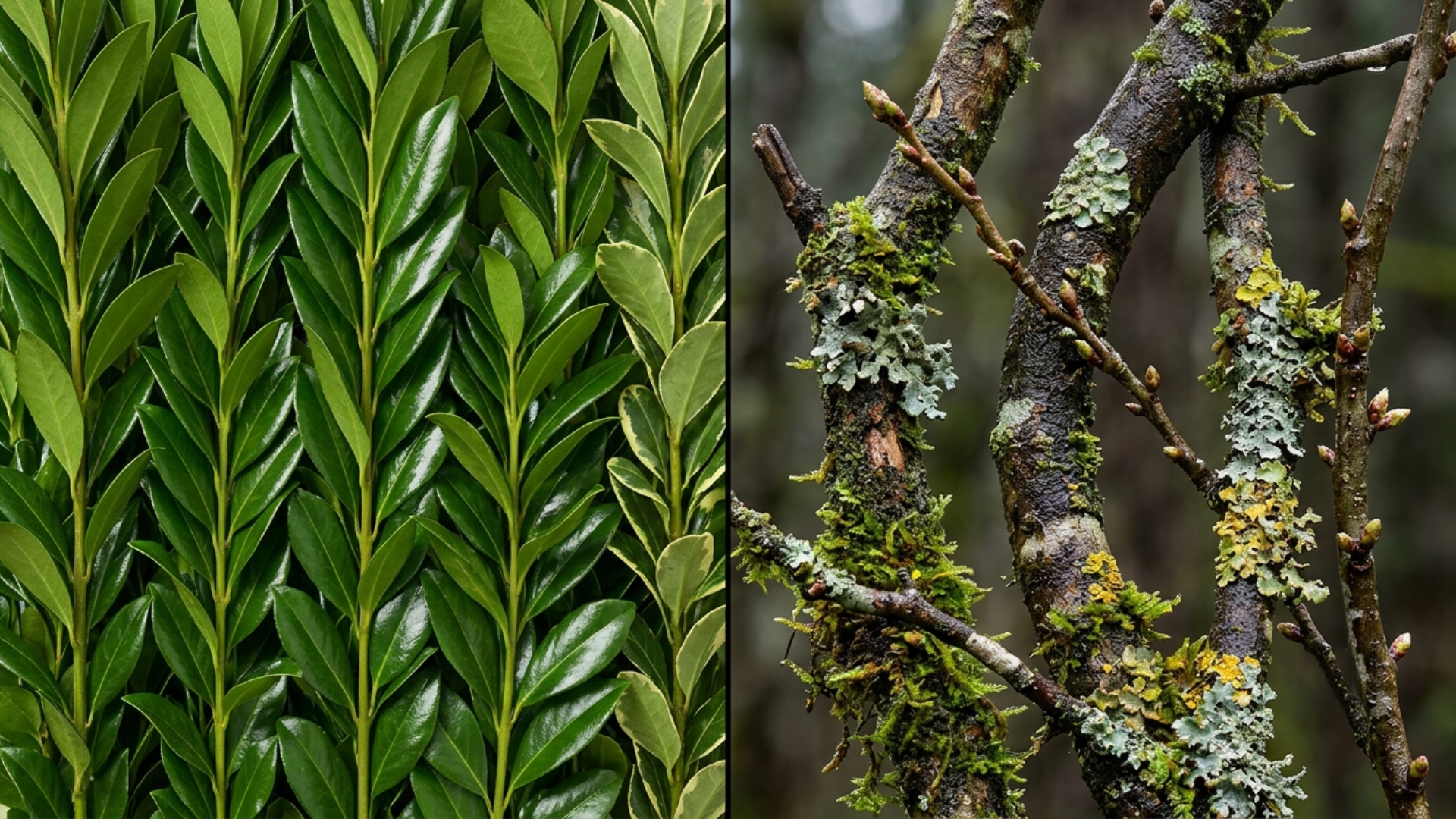
Architecture of Floral Depth
Depth in floral design is what separates intentional, architectural work from arrangements that only look full. Fullness is easy to achieve — but fullness is not the goal. Depth is. And the fastest way designers lose depth is by relying on foliage that creates the illusion of fullness rather than on the structure that makes a composition breathe.
Why Fullness Isn’t the Goal
Fullness is visual noise. It hides the architecture of a design, erases negative space, and makes compositions read as safe instead of sculptural. When stems behave identically, the work becomes predictable — and predictability flattens luxury.
The Illusion of Fullness
Commodity foliage is built for sameness. Leaves repeat, stems behave, and the whole thing marches in lockstep. That sameness doesn’t just create the illusion of fullness — it wipes out depth, steals the light, and leaves the design with nowhere to breathe.
“Commodity greens flatten a composition. Their uniform texture absorbs light instead of shaping it.” “Uniformity is efficient for wholesalers. It’s disastrous for designers.”
Uniformity absorbs light, forces rigid forms, and removes the movement that makes a design feel alive.
What Restores Depth in Floral Design
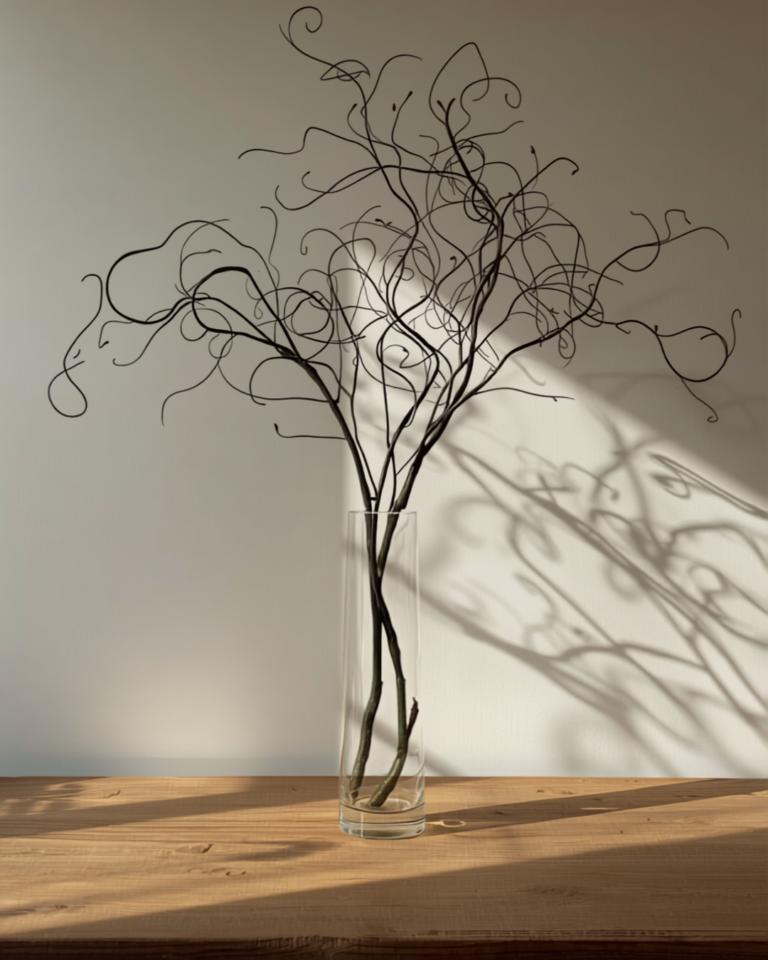
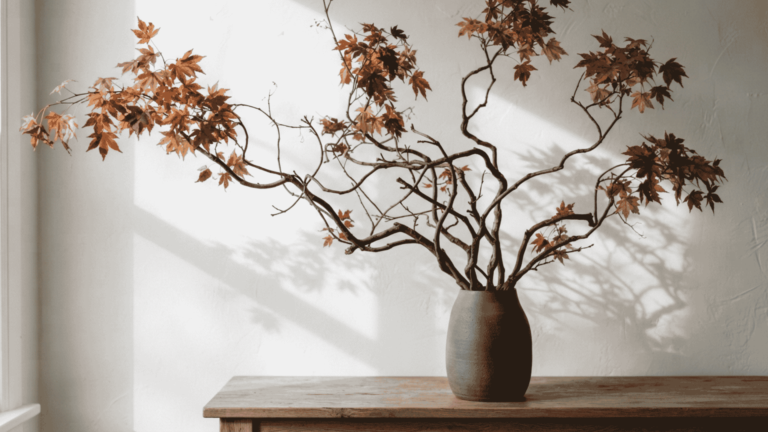
Depth comes from irregularity — the natural woodland architectural branches →
- Branching that creates movement
- Curvature that guides the eye
- Texture that catches light
- Woodland grounding →
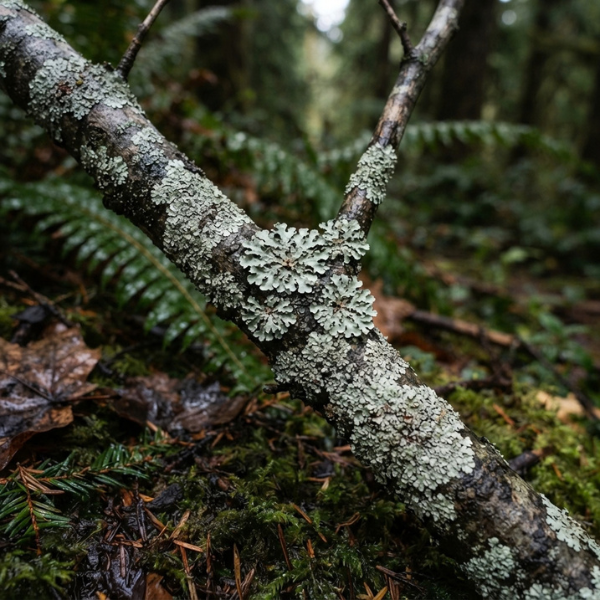
- Lichen and moss that add tonal complexity
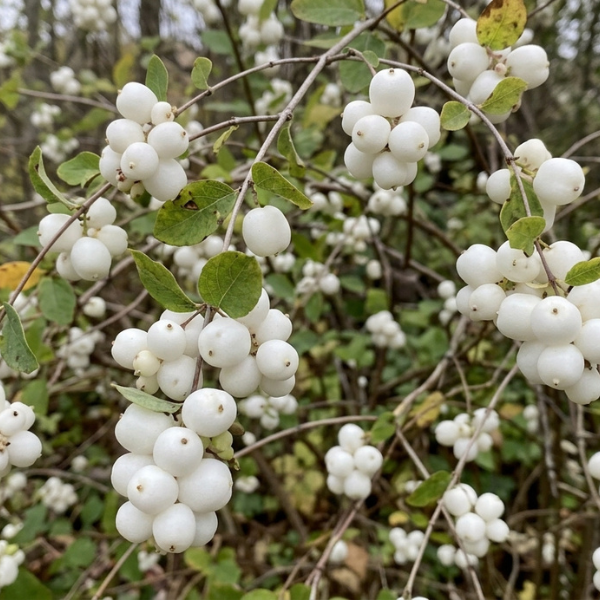
- Bark and bud stage that introduce micro‑details and seasonality
These aren’t decorative elements. They’re structural. They’re what give a composition its dimensionality.
The PNW Woodland Advantage
Woodland stems sourced from the Pacific Northwest carry moisture, texture, and environmental story. Shade, rain, moss, and seasonal shifts show up in every branch. Designers don’t just gain depth — they gain authenticity.
🎧 Designer Conversation: Depth in Floral Design
Depth is the new luxury. Designers who want their work to stand out — in person, in photographs, and in the portfolios that win clients — need material with character. Commodity greens create fullness. Woodland material creates depth.