Movement in Woodland Design: How Snohomish County Designers Shape Line, Gesture, and Flow
Why the way a stem moves determines the entire composition.
Movement gives Snohomish County designers a structural advantage: it turns line, gesture, and natural curvature into a material that guides the eye, shapes atmosphere, and defines the entire composition. When movement is handled with intention, woodland work becomes sculptural, quiet, and unmistakably PNW. If you want to work with botanicals that excel at movement, inquire about availability.
Where Line Becomes the First Decision
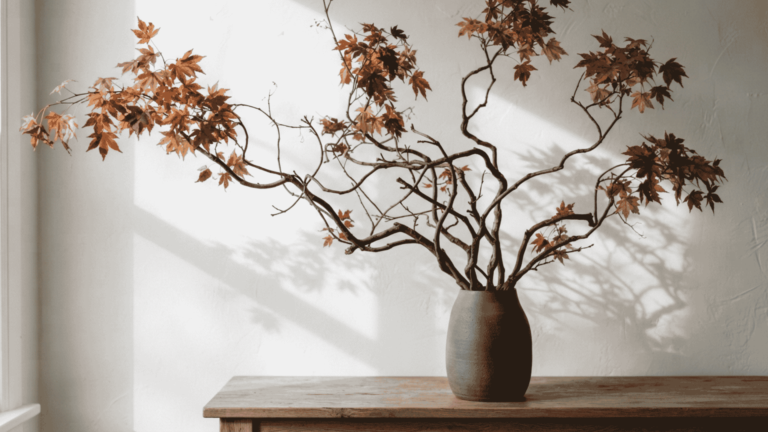
Movement is one of the defining elements of woodland design. In the Pacific Northwest — where branches grow with natural curvature, and understory stems develop expressive reach — line becomes a material in its own right.
Movement isn’t decoration.
It’s direction.
It’s the quiet force that determines how a composition breathes.
Designers across Snohomish County rely on movement to create clarity, tension, and atmosphere without adding visual weight.
In woodland work, movement isn’t added — it’s revealed.
Why Movement Matters
In Woodland Work
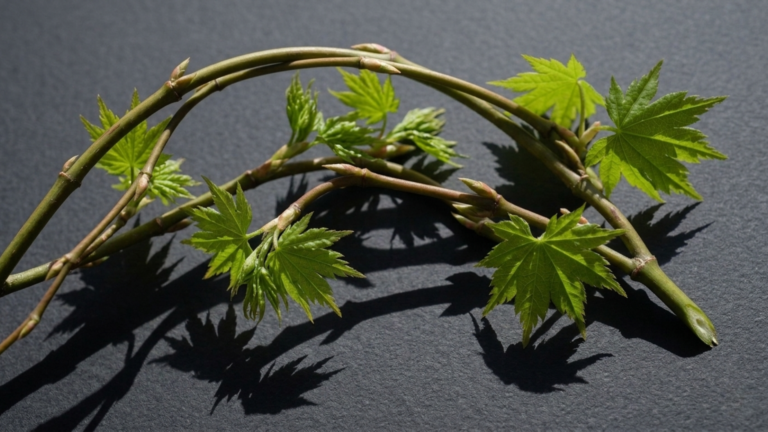
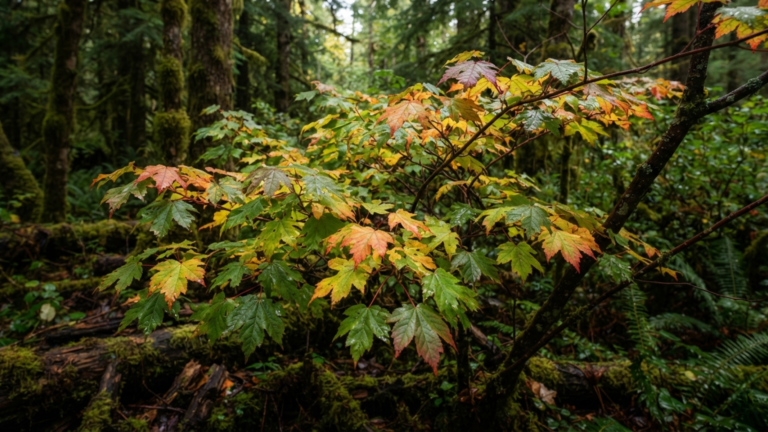
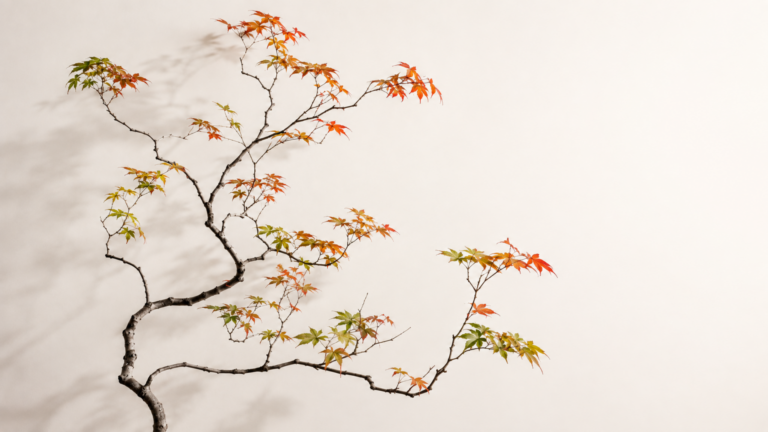
- the arc of a vine maple branch
- the lean of a willow stem
- the reach of hazel
- the subtle bend of seasonal understory growth
These gestures aren’t imposed. They’re inherent.
Local botanicals already know how they want to move.
Movement: A Designer’s Guide →
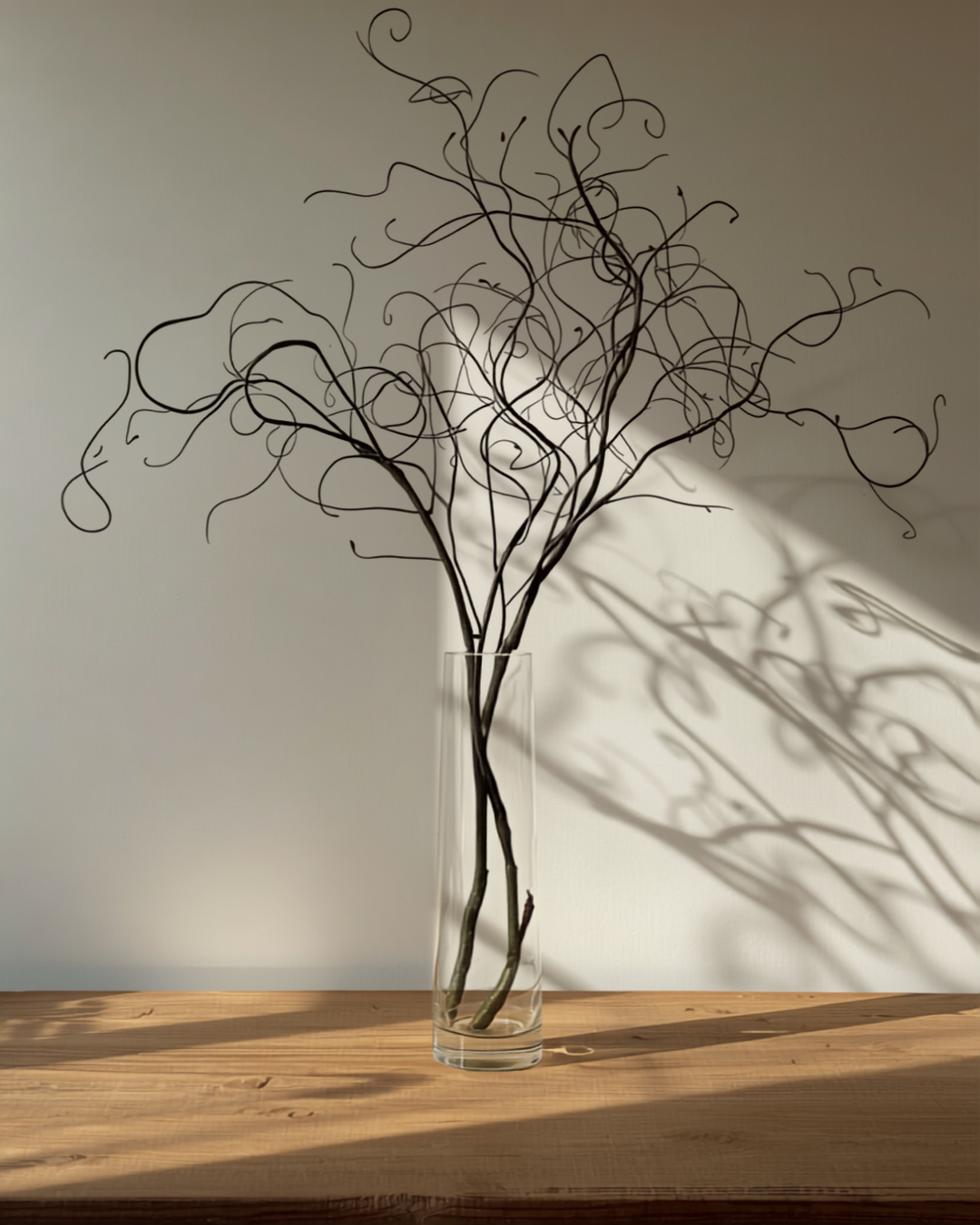
In Arlington’s soft northern light, movement becomes more visible. A single stem can cast a line that feels architectural before the rest of the composition is even built.
How Snohomish County Designers
Use Movement to Build Structure
In Arlington’s soft northern light, movement becomes more visible. A single stem can cast a line that feels architectural, even before the rest of the composition is built.
Designers use movement to:
- Establish the primary gesture that defines the piece
- Create tension between opposing lines
- Shape the viewer’s eye path through an installation
- Build atmosphere without adding mass
- Anchor the composition with a clear sense of direction
Movement is the backbone of woodland work —
the part that makes the rest of the design legible.
A Simple Practice: Follow the Line
One of the most effective techniques in movement‑driven design is also the simplest:
Place the stem.
Follow its line.
Let it tell you where the composition wants to go.
Instead of forcing symmetry or balance, North Sound designers often let the natural gesture lead. When the line is honest, the rest of the design becomes effortless.
Local Materials That Excel at Movement
Snohomish County designers rely on botanicals with inherent motion:
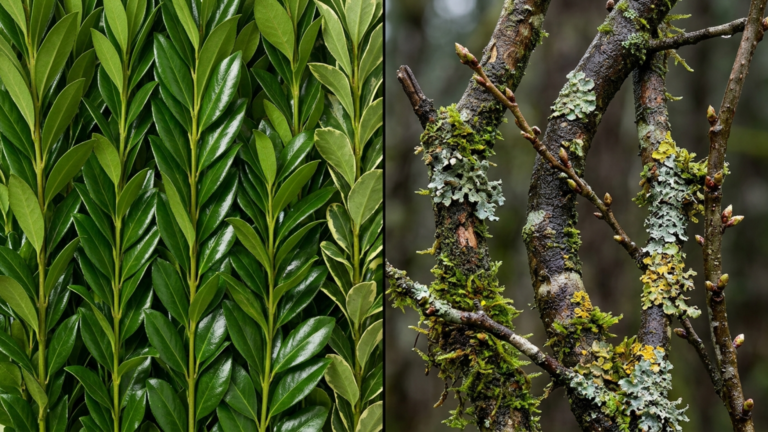
- Vine maple: layered branching; organic irregularity; sculptural seasonal movement
- Red Osier Dogwood: rhythmic vertical line; architectural branching; strong gesture
- Western Sword Fern: radial posture; quiet three‑dimensional movement; evergreen lift
- Cascara :natural arcs; asymmetrical branching; fluid, hand‑drawn line
- Osoberry: loose branching; soft early‑season movement; subtle atmospheric lift
- Red‑Flowering Currant: airy, lightly cascading line; pendulous bloom movement; early‑season gesture
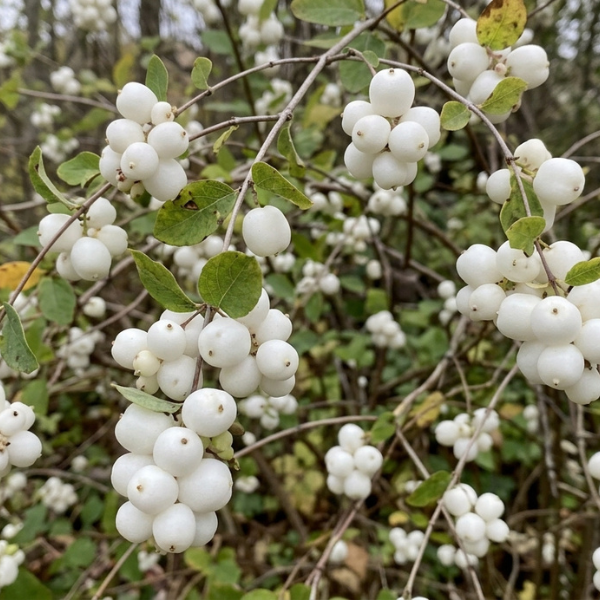
- Snowberry: quiet spacing and subtle movement
- Western Red Cedar: drape and atmospheric flow
These materials don’t need manipulation.
They need room to move.
Designing With Movement —
And Getting More From Less
Movement allows designers to scale up without adding clutter. A single branch placed with intention can create more atmosphere than a bucket of blooms.
When designers in Arlington, Stanwood, and the wider Snohomish County region work with line, gesture, and flow, they’re not adding complexity — they’re refining it.
The result is work that feels:
- sculptural
- quiet
- directional
- true to the land
The Heart of Movement in Woodland Design
Movement is what gives woodland work its clarity — a composition shaped by line, guided by gesture, and grounded in the natural motion of our PNW botanicals.
Designer Resources
- Species Pages: Vine Maple · Willow · Hazel · Cascara
- Contact: Begin a conversation about seasonal woodland materials
- How We Work: Appointment-only, small-circle model
If your work depends on sculptural line, expressive gesture, and the clarity that movement makes possible, inquire about current seasonal availability. PNW woodland materials offer designers a natural vocabulary of motion that commercial stems cannot replicate — and they are available in limited quantities each season.